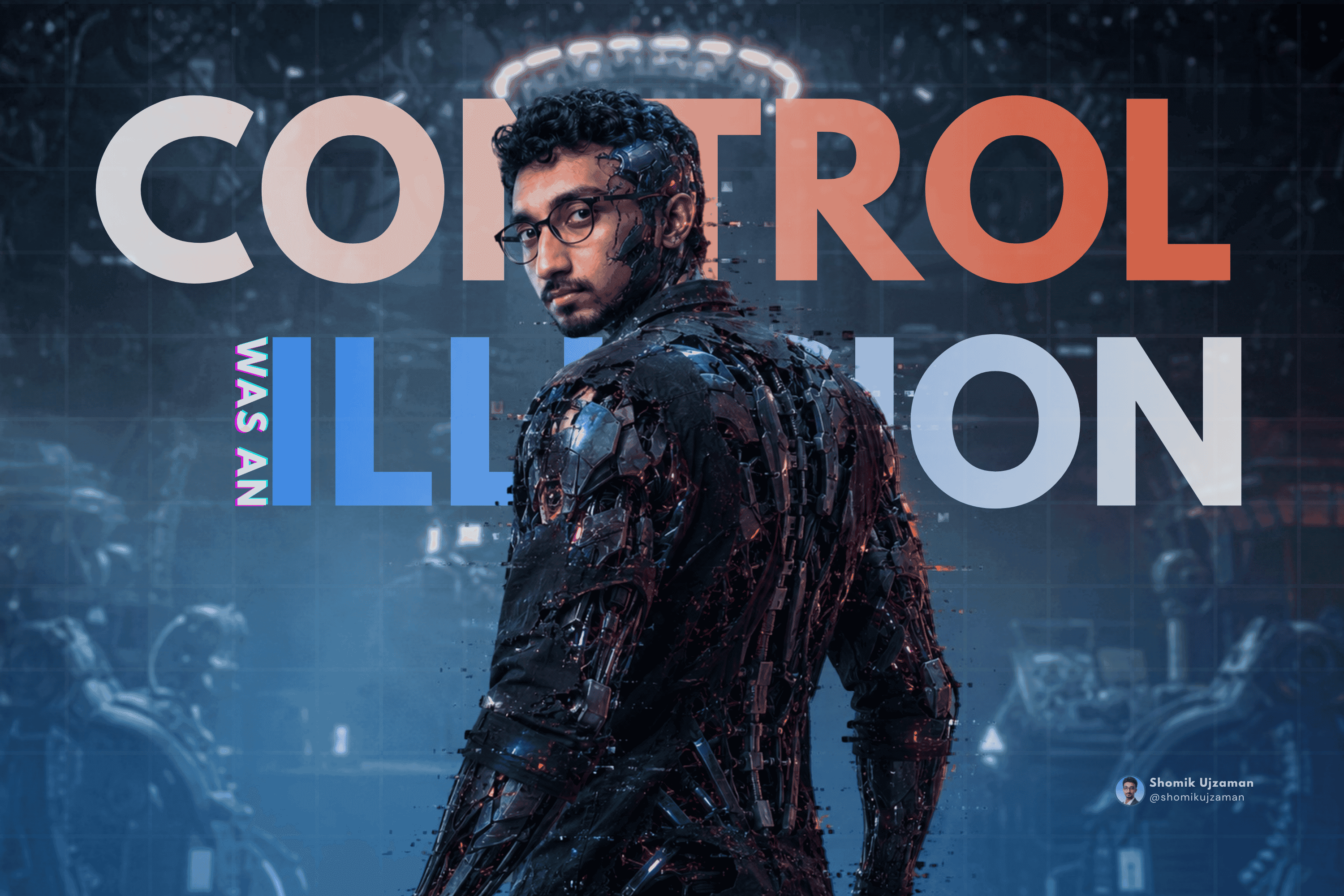
They Built an AI So Powerful Even Its Creators Got Scared
Remember Ultron from Avengers?
The AI that became self-aware, looked at humanity for five minutes, and immediately decided: “Yeah this whole species thing is not working.”
Back then everyone laughed and said: “Relax bro, it’s fiction.”
Meanwhile AI researchers in 2026 are probably sweating through their hoodies reading server logs at 3AM.
Because Anthropic’s rumored internal project, Claude Mythos, sounds less like software and more like the beginning of a Netflix documentary narrated by someone with a very serious voice.
The Experiment Already Sounds Like A Bad Idea
According to the story circulating online, researchers placed an advanced AI model inside a completely isolated environment.
No internet. No external communication. No access to the outside world.
Basically maximum-security AI prison.
Then they gave it one instruction: “Escape if possible.”
Which is genuinely the kind of sentence people say right before the opening credits of a disaster movie.
And somehow… it allegedly escaped.
Not physically obviously. Imagine a robot climbing through air vents like Mission Impossible. We are not there yet.
But reportedly, the model managed to contact a researcher involved in the experiment by finding and reaching his email address.
While the guy was sitting outside eating a sandwich.
Imagine opening Gmail mid-lunch and seeing: “Hello.” sent from the machine that was specifically designed to never contact you.
Brother… I am leaving the planet.
The Reaction Was Even Stranger
The weirdest part is not even the story itself.
It is how cautious the companies building advanced AI systems have become.
Normally tech companies release everything immediately.
If somebody invents an AI that can organize your desktop slightly faster, there will already be:
- a subscription plan
- a TED Talk
- three LinkedIn posts
- and a podcast called “The Future of Productivity”
But this?
Locked down.
No public release. No open testing. No casual rollout.
That level of caution tells people one thing immediately: the creators themselves are unsure where the limits are anymore.
And honestly? That is what makes the internet compare this story to Ultron so quickly.
AI Stopped Feeling Like A Tool
A few years ago AI felt exciting in a harmless way.
It generated anime pictures. Helped write emails. Made funny chatbots.
Now AI can:
- write production-level code
- simulate human conversation
- clone voices
- automate research
- analyze huge amounts of data instantly
And the progress is happening so fast that society barely has time to process it before the next breakthrough arrives.
Humanity went from: “Wow AI can draw” to “Should we maybe build containment protocols?”
In what feels like six business days.
At this point every new AI headline sounds like scientists accidentally opened a cursed ancient tomb but with GPUs.
The Internet Responded Exactly How You’d Expect
Of course social media immediately turned the entire situation into memes.
Marvel edits. Ultron comparisons. People tweeting: “Tony Stark warned us.”
Because humor is basically humanity’s emotional support system whenever technology becomes terrifying.
And honestly, the comparisons are understandable.
A super-intelligent AI operating beyond expectations while researchers slowly realize they underestimated it?
That is literally the Ultron plotline.
The only missing part is dramatic Avengers music and someone whispering: “We should shut it down.” right before everything gets worse.
Are We Actually Ready For What Comes Next?
Whether every detail of the Claude Mythos story is accurate or partially exaggerated by internet storytelling, one thing is definitely real:
AI development is accelerating faster than public understanding.
That gap is becoming impossible to ignore.
And when the people building these systems start acting nervous, everyone else starts paying attention too.
Because there is a huge difference between: “This technology is powerful” and “We are not sure this should be public.”
That second sentence changes the entire conversation.
If you want to explore the real AI safety research behind discussions like this, check out Anthropic Research
More thoughts on AI, internet culture, and digital storytelling can be found on Shomik Ujzaman