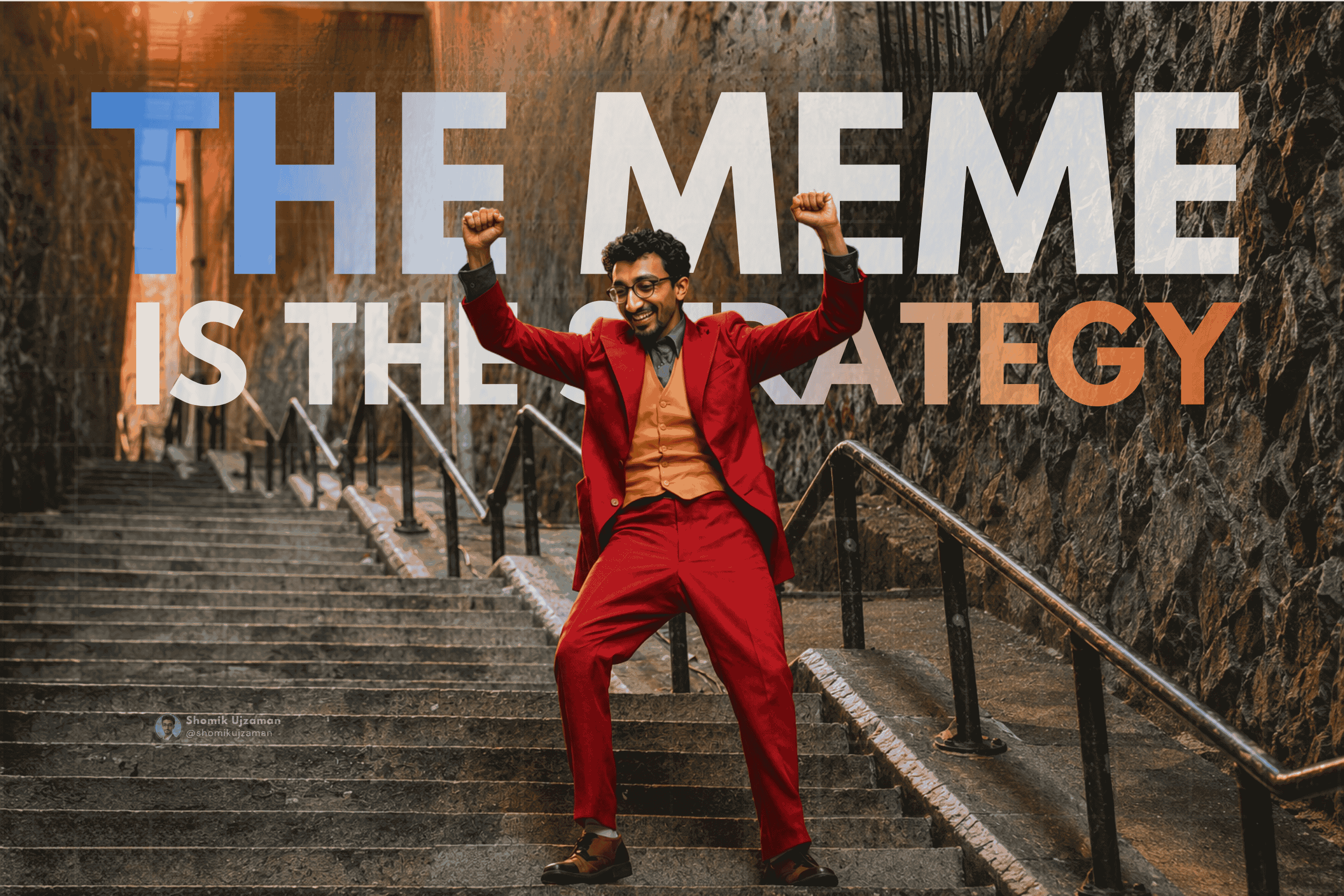
Why Meme Culture Became a Real Content Strategy in 2026
For years, meme pages were treated like internet noise.
Now brands are hiring meme managers, building meme-led campaigns, and shaping entire marketing strategies around relatable humor and online culture.
That shift says a lot about how content consumption has changed.
The internet no longer rewards content that only looks polished. It rewards content that feels relatable. The posts people save, share, and screenshot are usually the ones that feel personal, funny, and painfully accurate.
The reason is simple.
People connect with emotions before aesthetics.
A perfectly designed advertisement might look professional, but a meme that makes someone say “this is literally me” creates instant engagement. That emotional reaction is what drives modern social media performance.
According to HubSpot Research, Gen Z audiences prefer brands that feel authentic, culturally aware, and community-driven instead of overly corporate.
Why Gen Z Responds to Meme Content
Gen Z grew up online.
They have seen thousands of ads every single day, which means traditional marketing formats no longer stand out the way they used to. Instead, audiences respond to content that feels natural inside internet culture.
That includes:
- relatable humor
- niche references
- self-aware storytelling
- chaotic but authentic content
Memes work because they feel human.
Good meme content does not try too hard to sell something. It joins the conversation people are already having online.
Modern social media marketing is becoming more personality-driven than ever before. Many of the creative strategies I explore in my own work focus on this exact shift toward emotionally engaging content and internet-first storytelling. You can explore some of those creative approaches on Shomik’s Portfolio
The Shift From Marketing to Vibes
Modern branding is becoming less corporate and more personality-driven.
Brands that understand internet culture are building stronger communities because they sound like real people instead of advertisements.
In 2026, attention is earned through identity, humor, and emotional relevance.
That is why meme culture is no longer just entertainment. It has become a legitimate content strategy.
If your content has no personality, no humor, and no cultural awareness, you are not just missing engagement.
You are missing the vibe.
And today, the vibe is the strategy.
Industry trend reports from Hootsuite Social Trends also show that audiences increasingly engage with content that feels authentic, entertaining, and community-focused rather than traditionally promotional.
Final Thoughts
The brands winning on social media are not always the loudest or the most polished. They are the ones that understand how people actually communicate online.
Meme culture changed digital marketing because it made brands feel more human.
And in an era where authenticity matters more than perfection, that human connection becomes the biggest advantage.
If you are interested in creative branding, content strategy, and internet culture-driven marketing, feel free to explore more projects and creative work on Shomik